

Home Fit-outs
Home / Property Management Services / Home Fit-outs
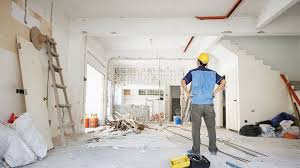
Description
Home fit-outs refer to the process of furnishing and equipping a home interior to make it fully functional and aesthetically pleasing. This includes the installation of fixtures, fittings, finishes, and furnishings tailored to the homeowner's needs and preferences.
Types of Home Fit-outs
Basic Fit-outs
- Standard Finishes: Installation of basic flooring, paint, lighting, and essential fixtures.
- Utilities Installation: Setup of electrical wiring, plumbing, and HVAC systems.
Custom Fit-outs
- Tailored Designs: Personalized layouts and finishes that reflect the homeowner’s style.
- High-End Materials: Use of premium materials for flooring, countertops, and cabinetry.
- Bespoke Furniture: Custom-made furniture pieces designed to fit specific spaces.
Commercial to Residential Fit-outs
- Conversion Projects: Transforming commercial spaces into residential units.
- Mixed-Use Development: Combining residential living spaces with commercial or retail areas.
Eco-Friendly Fit-outs
- Sustainable Materials: Use of eco-friendly and renewable resources.
- Energy Efficiency: Installation of energy-efficient appliances and systems.
- Green Certifications: Adherence to standards for environmentally responsible construction.
Benefits of Home Fit-outs
- Personalization: Allows homeowners to create a space that reflects their taste and lifestyle.
- Enhanced Functionality: Optimizes the layout and features of the home for better usability.
- Increased Property Value: Quality fit-outs can significantly boost the market value of a home.
- Comfort and Convenience: Creates a comfortable and convenient living environment.
- Sustainability: Eco-friendly fit-outs contribute to a more sustainable living space.
Design Considerations for Home Fit-outs
Space Planning
- Functional Layout: Ensure the space is used efficiently and effectively.
- Flow and Circulation: Design pathways that facilitate easy movement.
Aesthetic Style
- Consistent Theme: Maintain a cohesive design theme throughout the home.
- Color Schemes: Choose colors that complement the overall design and mood.
Material Selection
- Durability: Opt for materials that are long-lasting and easy to maintain.
- Aesthetics: Select materials that enhance the visual appeal of the space.
Lighting Design
- Natural Light: Maximize the use of natural light through windows and skylights.
- Artificial Lighting: Use a combination of ambient, task, and accent lighting.
Technology Integration
- Smart Home Systems: Incorporate smart technology for security, lighting, and climate control.
- Home Entertainment: Plan for the integration of home theater and audio systems.
Popular Trends in Home Fit-outs
- Minimalist Design: Focus on simplicity, clean lines, and uncluttered spaces.
- Open-Plan Living: Create open and airy spaces by removing unnecessary walls.
- Industrial Style: Use raw materials like exposed brick, metal, and concrete.
- Biophilic Design: Incorporate natural elements like plants, natural light, and water features.
- Vintage Revival: Blend antique and retro elements with modern design.
Best Practices for Home Fit-outs
Hire Professionals
- Interior Designers: Work with designers to create a cohesive and functional design.
- Contractors: Engage skilled contractors for quality workmanship.
Budget Planning
- Set a Realistic Budget: Plan finances to cover all aspects of the fit-out.
- Contingency Fund: Allocate extra funds for unexpected expenses.
Project Management
- Timeline: Establish a clear timeline for each phase of the fit-out.
- Communication: Maintain regular communication with all stakeholders.
Quality Assurance
- Regular Inspections: Conduct inspections to ensure quality standards are met.
- Feedback: Solicit feedback from occupants to make necessary adjustments.
Sustainability Focus
- Eco-Friendly Options: Prioritize sustainable materials and practices.
- Energy Efficiency: Aim for energy-efficient systems and appliances.